
Our Verdict
AI has ruined the market for everyone, and Acer's budget laptop is no different in that regard. Touting 16 GB of DDR4 and a 512 GB SSD, its otherwise solid entry-level hardware is stymied by a high price, that's only been amplified by those pesky datacenters hoovering up NAND flash left right and centre.
For
- Slim form factor
- Good selection of ports
- Relatively affordable… relatively
Against
- DDR4 sucks
- GPU selection is just okay
- Many, many different SKUs
18WENKU's got your back Our experienced team dedicates many hours to every review, to really get to the heart of what matters most to you. Find out more about how we evaluate games and hardware.
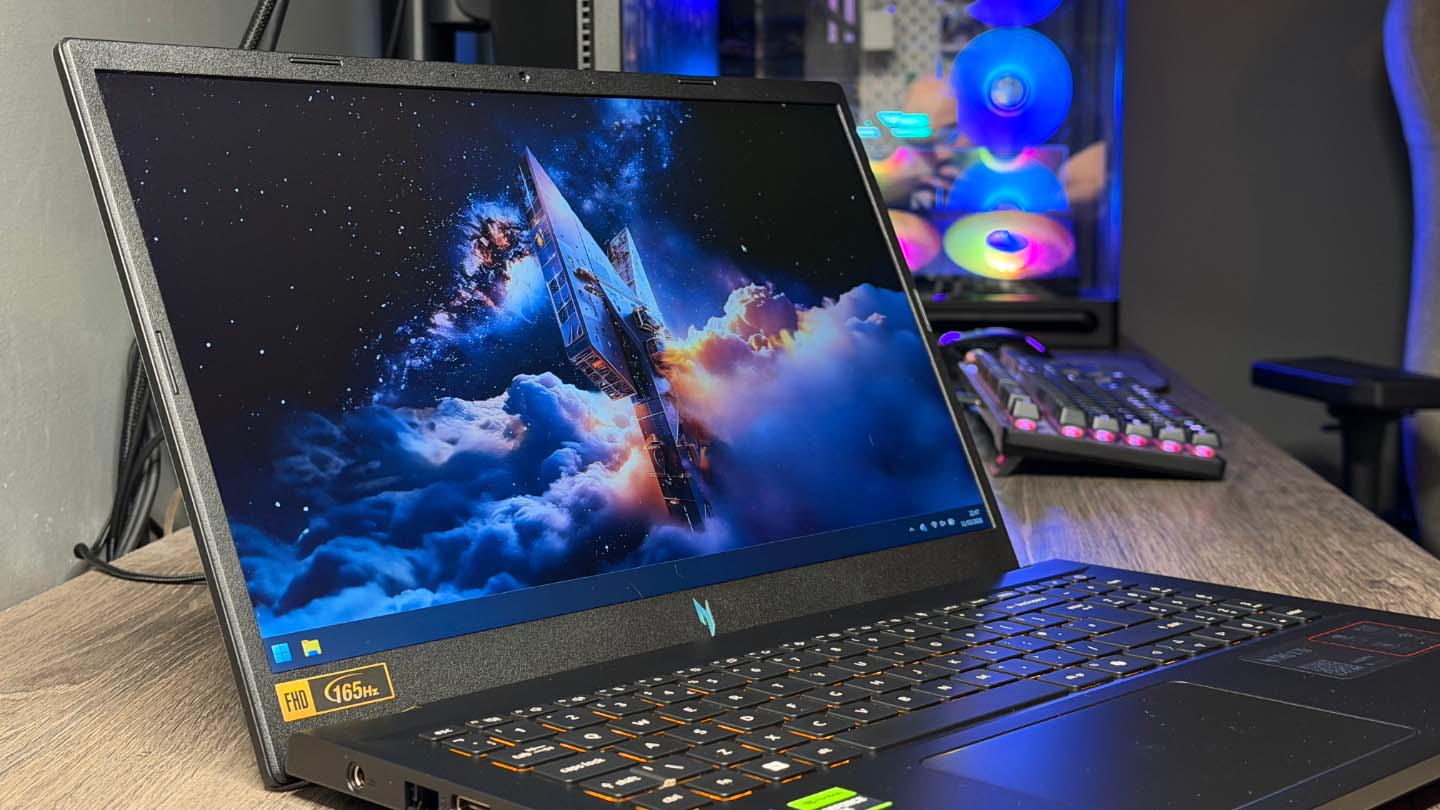
This is the Nitro V 15, a modern entry-level gaming laptop from Acer. Hot off the factory line. It comes with an RTX 5050, an Intel Core i7-13620H, high refresh rate IPS panel, a luscious chassis, and is backed up by no less than 16GB of RAM. DDR4 RAM. Yeah… you read that right.
Not the modern DDR5 kits that have been injected into some of the best gaming notebooks we've tested in the last four years. No, it's that ageing memory standard, which first debuted in this particular portable form factor all the way back in September of 2015. Almost as old as my entire career. Yikes.
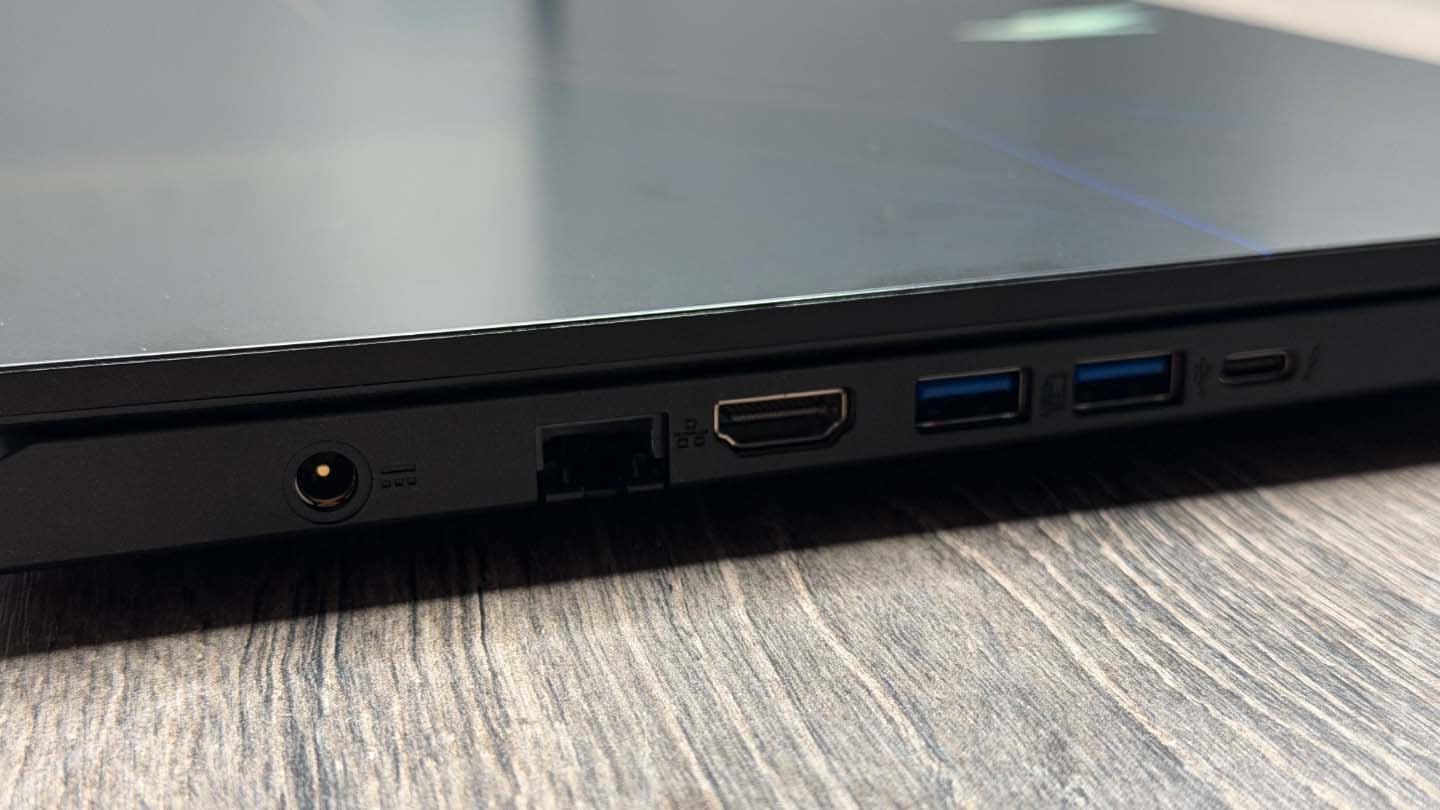
The actual internal hardware is overall just alright, in the very British sense of that word. It's okay. Not amazing, not terrible. Acer's picked the RTX 5050 for the Nitro V 15's GPU solution, and that comes with 8 GB of VRAM, and a 75 W TGP allowing it to clock up to around 1,651 MHz, at least in my testing. It's not quite on par with something like the RTX 5060 found in other versions of the Nitro V 15 with their 85 W TGP, or the Lenovo LOQ 15 Gen 10, with its ridiculous 115W TGP, but it does okay at 1080p, at least with some help from DLSS anyway. As for the CPU, that's Intel's somewhat ageing Core i7 13620H, and another reason we're sat on DDR4 memory. It's a 10-core chip split across six performance cores and four efficiency cores, delivering a grand total of 16 threads (the performance cores are hyperthreaded here). Technically, it's capable of ramping up to 4.9 GHz at full tilt, but expect performance to be lower than that thanks to the, err, I'll call it "thermal limitations of the form factor". The only other major bugbear I have with this thing is the storage setup. It comes with a single 500 GB SSD, Kingston's OM8PGP4512Q-AA OEM drive. That's a PCIe 4.0 solution, not too dissimilar to Kingston's own NV2, albeit a bit faster on the sequentials. It's a TLC drive running off the back of Phison's E21T controller sans DRAM cache, and it's kinda slow, with max sequentials topping out at the 4,700 MB/s mark, or at least advertised anyway. That 500 GB capacity, though, once Windows is installed, leaves you very little room to hoard any games or other programs for that matter, so you will be playing the delete and re-download shuffle quite often. I'd highly recommend swapping it out for something a bit more substantial later on, or heavily investing in some form of chunky external drive if you can afford the bank loan required for that. At this point, I am starting to wonder when we'll end up back on 2.5-inch SSDs again, given the way things are going. So then, the big elephant in the room, performance. The good news is that DDR4 might not matter that much for gaming, but the extra bandwidth available thanks to those higher frequencies found on its successor does have quite the dramatic impact on overall computational performance. Take a look at 7-Zip's compression figures there. Compared to something like Gigabyte's Gaming A16 with its (admittedly 32 GB of) DDR5 clocked at 5,200 MT/s, and even with the same processor, percentage change is around 66% by comparison. That sucks. Particularly as this spills over into other tasks as well. If you're looking at doing some light video rendering or dabbling in Photoshop, you're going to be held back significantly compared to its DDR5 alternatives. That wouldn't be an issue if it wasn't for the fact that you can still get the Gigabyte A16, for only a little more. Cinebench's multi-core figures are also lower compared to the same chip in the Gigabyte laptop, although that could be chalked up to Acer's poorer cooling solution, as the CPU topped out at 102 degrees, compared to the A16's 89. Likewise, GPU temps weren't exactly low either, with both gaming and system temperature scenarios being considerably higher than their Gigabyte counterparts. Not ideal, particularly given that that setup was running an RTX 5060 with an 85W TGP in a very similarly designed chassis. In-game, that RTX 5050 sort of delivers. At 1080p, it does struggle with the big flagship titles, certainly when ray tracing is enabled. Cyberpunk, for instance, only averaged 19 fps (although that did boost to 55 fps with DLSS set to quality and frame-gen on), and although sort of playable, Black Myth Wukong settled in at 33 fps, and F1 2024 at 36 fps, respectively as well. Both of which are still a far cry from the heady heights of that 60 fps sweet spot the vast majority of us know and love. The Nitro V 15 is a casualty of its time. At any other point, I'd expect this laptop to retail at probably $800 - 900. But because it's in this warped bubble of SSD and memory pricing, it loses out compared to laptops that are already available, already on the market, sitting in retailers' warehouses. That Gaming A16 that I so lovingly keep referring to is only $220 more, and it's in stock now. That's not a lot when you consider you're almost doubling performance in-game, getting twice as much storage, and twice as much memory on a more modern standard. It's a shame because on the surface, the Nitro V 15 is a lovely thing. It's got a crisp, clean design, beautiful screen, good selection of ports, a great keyboard and trackpad, and if the price was right, a solid entry-level spec. But for the money, it's just not worth it. 1. Best overall: 2. Best budget: 3. Best 14-inch: 4. Best mid-range: 5. Best high-performance: 6. Best 18-inch:  if (window.sliceHydrationLazy) {
} else {
console.error('%c FTE ','background: #9306F9; color: #ffffff','no lazy slice hydration function available');
}
if (window.sliceHydrationLazy) {
} else {
console.error('%c FTE ','background: #9306F9; color: #ffffff','no lazy slice hydration function available');
}
Creator performance
Product Value
Acer Nitro V15 (RTX 5050 | Core i7 13620H)
48.44 Compressing (GIPS), 86.88 Decompressing (GIPS)
Acer Nitro V15 (RTX 5060 | Core i7 13620H)
49.803 Compressing (GIPS), 88.068 Decompressing (GIPS)
Asus TUF Gaming A16 2025 ( RTX 5050 | Ryzen 7 260)
88.349 Compressing (GIPS), 122.404 Decompressing (GIPS)
Gigabyte Gaming A16 (RTX 5060 | Core i7 13620H)
80.62 Compressing (GIPS), 84.56 Decompressing (GIPS)

1080p gaming performance
Product Value
Acer Nitro V15 (RTX 5050 | 75 W)
45 Avg FPS, 22 1% Low FPS
Acer Nitro V15 (RTX 5060 | 85 W)
48 Avg FPS, 20 1% Low FPS
Asus TUF Gaming A16 2025 (RTX 5050 | 115 W)
69 Avg FPS, 38 1% Low FPS
Gigabyte Gaming A16 (RTX 5060 | 85W)
65 Avg FPS, 36 1% Low FPS
System performance
Product Value
Acer Nitro V15 (RTX 5050 75 W | Core i7 13620H)
141
Acer Nitro V15 (RTX 5060 85 W | Core i7 13620H)
123
Asus TUF Gaming A16 2025 (RTX 5050 115 W | Ryzen 7 260)
74
Gigabyte Gaming A16 (RTX 5060 85 W | Core i7 13620H)
183
Razer Blade 16 (2025)
Lenovo LOQ 15 Gen 10
Razer Blade 14 (2025)
MSI Vector 16 HX AI
Lenovo Legion Pro 7i Gen 10
Alienware 18 Area-51
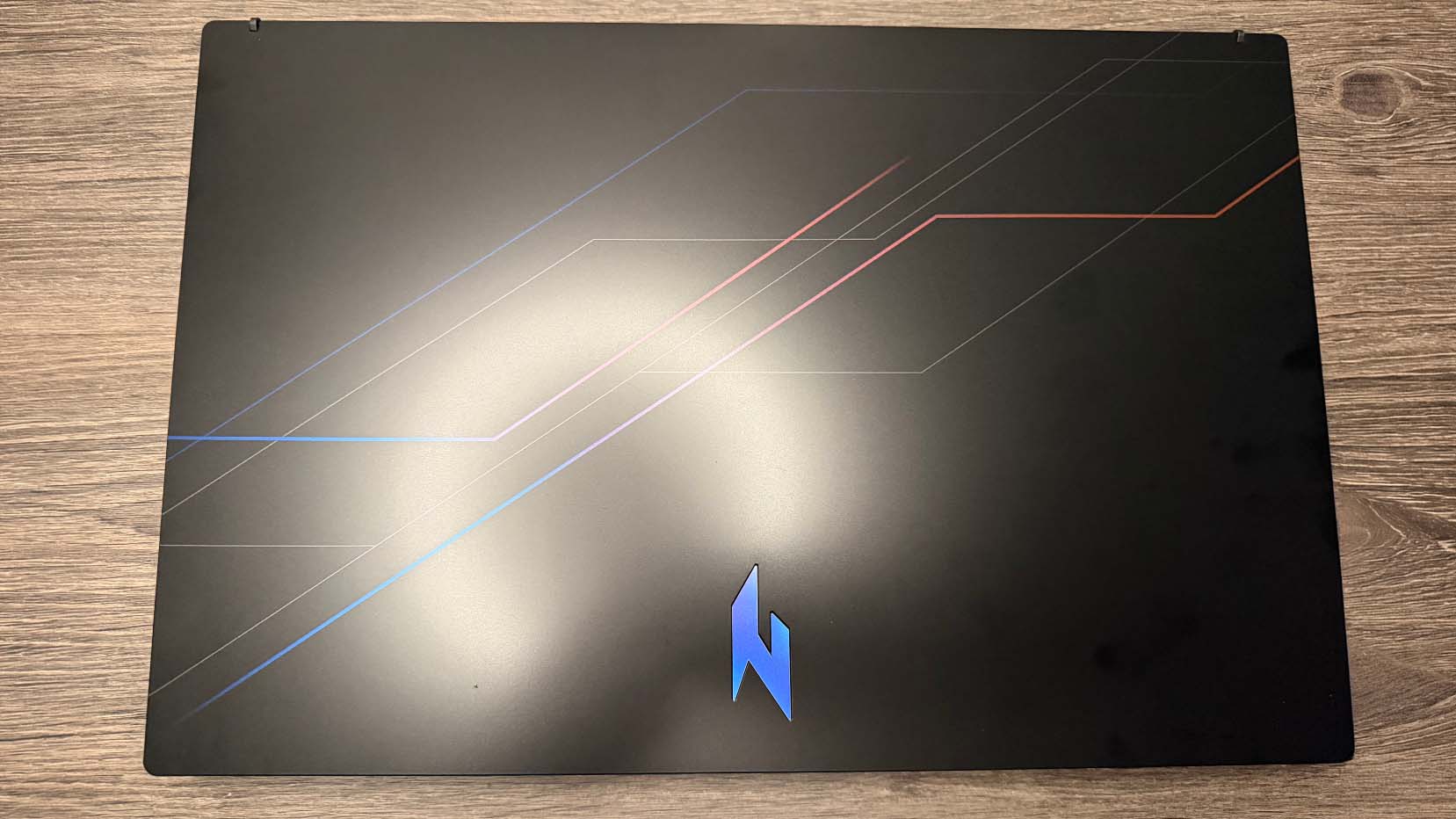
AI has ruined the market for everyone, and Acer's budget laptop is no different in that regard. Touting 16 GB of DDR4 and a 512 GB SSD, its otherwise solid entry-level hardware is stymied by a high price, that's only been amplified by those pesky datacenters hoovering up NAND flash left right and centre.
You must confirm your public display name before commenting
Please logout and then login again, you will then be prompted to enter your display name.
Please login or signup to comment
Please wait...